
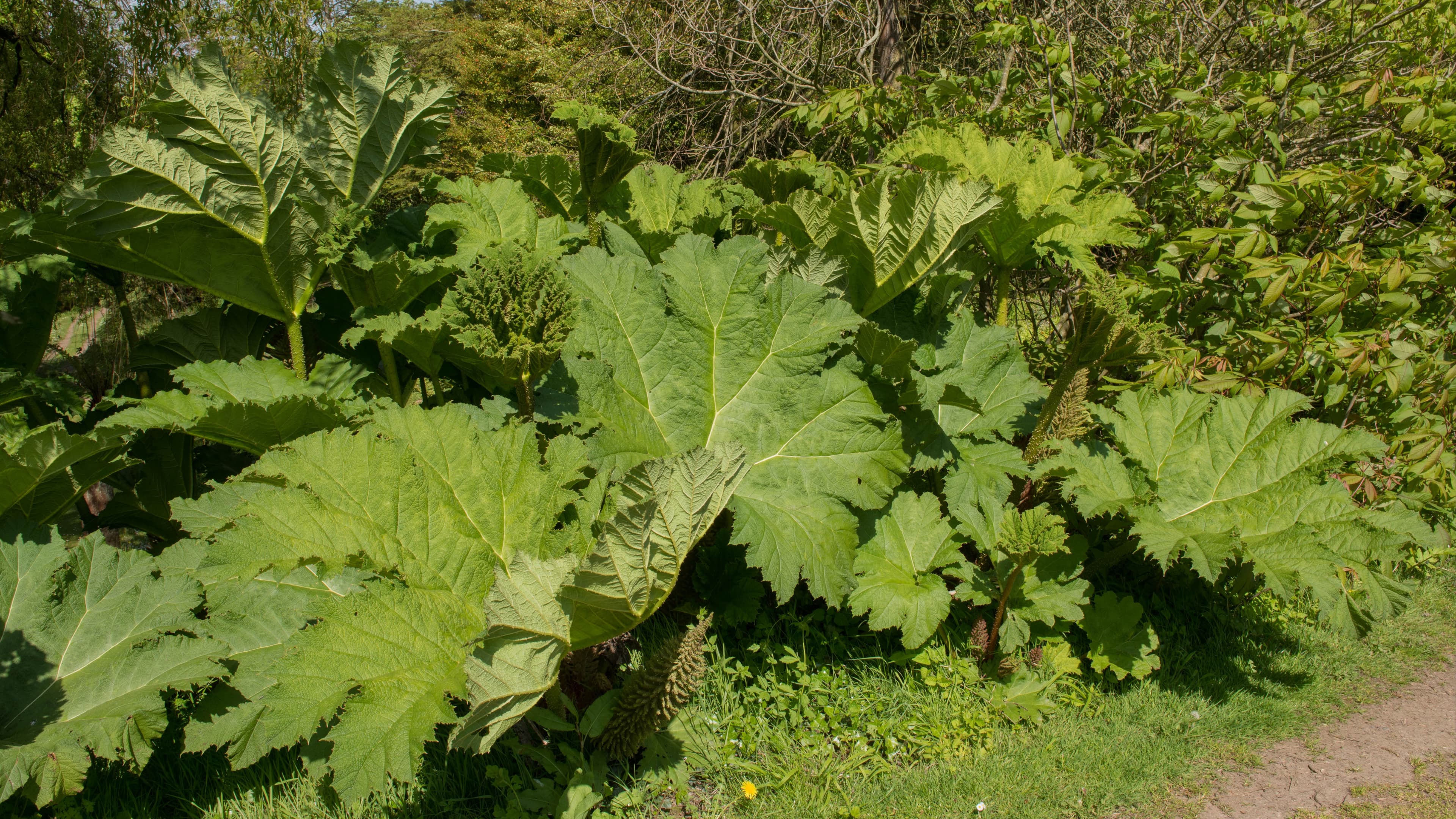
The EPA commissioned a ‘Strive Small Scale Study’ to address the lack of quantitative data on the efficacy of invasive species control in Ireland. Existing strategies were often incomplete or biologically inaccurate, leading to wasted public funds.
Brief
Advanced Invasives and University College Dublin were tasked to:
Review the ecology and impacts of Japanese Knotweed and Giant Rhubarbs in the Irish context.
Understand resource allocation (carbohydrate movement) within these species to identify weaknesses.
Synthesise sustainable management programs using an Integrated Plant Management (IPM) framework.
What we did
The team conducted a forensic audit of global and regional management practices:
Physiological profiling – identified the specific phenological ‘windows’ where herbicides are most effective at poisoning the rhizome (root) system.
Method critique – evidenced that physical control methods (like cutting or pulling) which work for annual weeds are destined to fail for rhizome-forming species.
IPM synthesis – developed a tiered management system that prioritises prevention and monitoring before moving to targeted chemical action.
Legislative analysis – audited how current Irish and EU legislation (such as Regulation 1143/2014) mandates sustainable management over temporary suppression.
Key Outcomes
The report redefined the ‘measured duty of care’ for large landowners and government bodies in Ireland.
Realistic goal setting – formally moved the national narrative away from ‘eradication’ toward ecologically sound ‘long-term control’.
Optimisation of resources – provided the evidence base to stop treatments at the wrong time of year, saving labour costs and reducing environmental herbicide loading.
Sustainable framework – established the ‘Gold Standard’ for Knotweed and Giant Rhubarb management in Ireland, now used to inform site-specific management plans across the country.
Summary
Commissioned by the Environmental Protection Agency (Ireland), Advanced Invasives conducted a strategic ‘Strive’ study to address the critical lack of quantitative data on invasive plant control, specifically focusing on Japanese Knotweed and Giant Rhubarb. By performing detailed physiological profiling to identify precise biological ‘windows’ for effective herbicide treatment – targeting the plant's internal ‘source-sink’ nutrient movements – and critiquing unsuccessful traditional physical control methods, the project moved the Irish national narrative away from unrealistic ‘eradication’ toward sustainable, long-term management. This research established a scientifically robust, resource-efficient framework that now serves as the national benchmark for managing these invasive plants across Ireland.