Refuting fraudulent misrepresentation
£1.2m residential dispute
Forensic rhizome analysis proved an infestation was less than five years old, rebutting claims of intentional concealment and securing an out-of-court settlement.

01. Expert Witness
In legal disputes involving invasive plants, technical accuracy is the only currency that matters.
Advanced Invasives provides authoritative expert testimony and litigation support to resolve complex disputes regarding encroachment, property value, and professional negligence.

Our Capabilities
Our Expert Witness services draw upon peer-reviewed research and specialist commercial expertise rather than anecdotal quick fixes.
Proven Results in Complex Litigation
£1.2m residential dispute
Forensic rhizome analysis proved an infestation was less than five years old, rebutting claims of intentional concealment and securing an out-of-court settlement.
An extensive mismanaged infestation on a London site established breach of lease covenants and third-party liabilities, facilitating a comprehensive settlement.
£200m development
Evidence showed that new growth resulted from decades of historical mismanagement and soil redistribution, shifting liability away from current contractors.
A group action involving a regional transport operator was resolved after forensic investigation proved encroachment was caused by historical mismanagement.
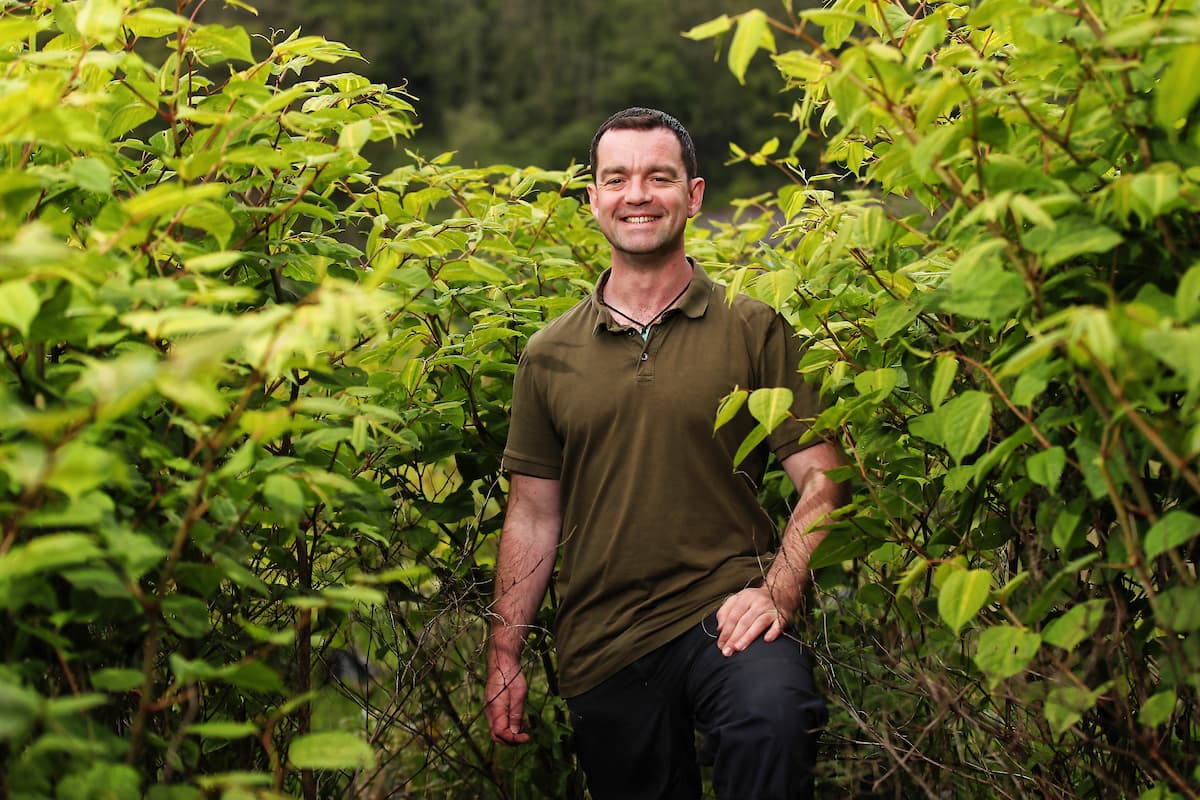
Core specialist expertise includes forensic investigation, GIS mapping, historical imagery analysis, evidence-based management strategies, and independent audit of contractor specifications.
Profile: Expert Lead
Daniel is the UK’s foremost authority on the ecology and management of Japanese Knotweed, Himalayan Balsam, and Giant Hogweed.
He has been instructed as an expert in over 40 legal cases UK-wide, ranging from rural landholdings through to multimillion-pound development sites.
Instructions can be undertaken on behalf of either claimant or defendant, or as a Single Joint Expert.
Recent UK Legal Precedents
The legal status of Japanese Knotweed has moved away from automatic compensation toward a strict causation model.
The Supreme Court applied the “But For” test, ruling that defendants are not liable for diminution in value if Knotweed had already encroached before breach of duty.
Claimants need forensic evidence to show that growth during a period of neglect worsened the situation beyond initial encroachment.
RICS standards now focus on management rather than automatic eradication, making professional plans and robust evidence more important.
Because causation can decide a case, the ability to date an infestation and independently audit evidence is more important than ever.